
HERITAGE RESTORATION
Buildings with hundreds of years behind them deserve hands that know it.
Period property restoration and listed building conservation, using traditional methods and materials specified by the era.
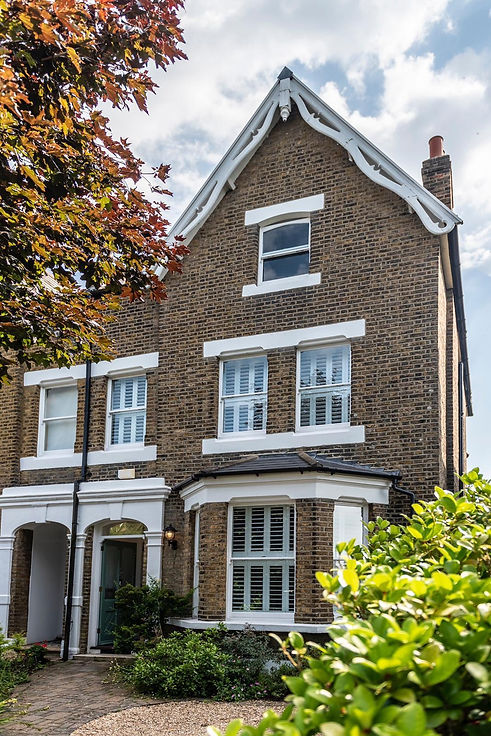
Georgian, Victorian and Tudor properties don't respond well to modern shortcuts. Lime mortar instead of cement. Hand-cut joinery to match original profiles. Sash window restoration rather than replacement. Traditional render applied the way it should be.
We work with conservation officers and listed building consent specialists to make sure every decision protects the property's character and its value.
Where modern intervention is needed, we do it sensitively. Where the original material can be saved, we save it.
What's included?
-
Listed building consent applications
-
Conservation-grade materials
-
Traditional construction methods
-
Sash window restoration
-
Lime mortar and traditional render
-
Heritage specialist coordination
COMMON QUESTIONS
Listed building and restoration questions, answered.
Do I need listed building consent?
For almost any work that affects the character of a listed building, inside or out, yes. That includes internal walls, windows, joinery and some repairs where the materials or detailing change.
Carrying out work without consent is a criminal offence, so we establish what needs consent early and prepare the application with the conservation officer involved from the start.
What is the difference between a listed building and a conservation area?
Listing protects the building itself, including its interior. A conservation area protects the character of a whole area, so the controls are mostly on demolition, external changes and trees.
A property can be one, both or neither, and the rules that apply change accordingly.
Why lime mortar rather than cement?
Older buildings were built to breathe. Lime lets moisture move through the walls and out again. Cement traps it, which leads to damp and, over time, damages the softer brick and stone around it. Replacing cement pointing with lime is one of the most common repairs we carry out on period properties.
Can a period property be modernised without losing its character?
Yes, and that is most of the job. New kitchens, bathrooms, heating and insulation can all go into a period house, provided the materials and methods suit the building. Breathable insulation and careful routing of services make the difference between a sensitive upgrade and one that causes problems later.
Can sash windows be restored rather than replaced?
In most cases, yes. Rotten sections can be spliced in, sashes re-corded and re-balanced, and draught-proofing added without losing the original frames. It usually costs less than people expect and keeps a feature that is very hard to replicate. Upgrading the glazing on a listed building will normally need consent.
How long do heritage projects take?
Longer than modern work, for good reasons. Listed building consent has its own timeline, with an eight-week target for a decision. Traditional materials take time to cure, and lime work cannot be done in frost. We build all of that into the programme from the start rather than discovering it halfway through.


